
RSNA 2025 highlighted the pace of innovation in medical imaging and the practical challenges providers face when investing in equipment. Alongside interest in new capabilities, conversations on the exhibition floor reinforced the importance of reliable systems, affordable ownership costs, and experienced service support. As RSNA 2026 approaches, these lessons offer a useful starting point for clinics reviewing their next equipment purchase.
Last year’s focus on AI, personalized screening, and multimodality workflows raised a broader question: how can providers prepare for advances in imaging while meeting today’s clinical and operational needs? For mammography departments, the answer starts with equipment that fits their workload, integrates with existing systems, and leaves budget room for ongoing support.
MedSource Imaging will be at RSNA 2026, taking place November 29 to December 3, 2026, at McCormick Place in Chicago. The Technical Exhibits will be open November 29 to December 2, offering an opportunity to discuss these priorities with our team.
What RSNA 2025 Reinforced About Equipment Investment
A key lesson from last year’s exhibition was the need to assess innovation in the context of everyday practice.
Despite the focus on advanced imaging, many imaging centers still rely on dependable, cost-effective equipment that aligns with practical budget realities. Refurbished mammography systems can offer a practical option when their capabilities, condition, and support arrangements match a facility’s needs.

What Matters When Choosing Mammography Equipment
Equipment planning must account for both emerging applications and everyday operational needs. As clinics consider AI tools and more personalized screening approaches, reliable imaging equipment remains essential to their daily work.
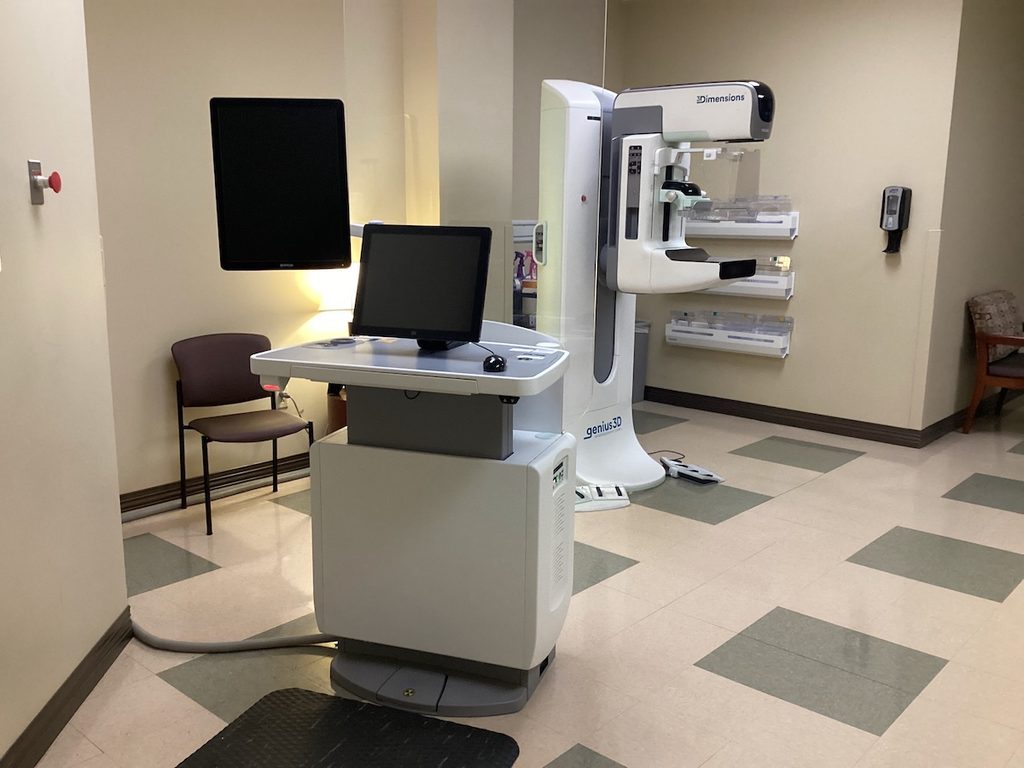
The right purchase depends on a facility’s exam requirements, expected workload, and total cost of ownership. For many imaging centers, refurbished digital mammography equipment offers a practical way to maintain high clinical standards while preserving financial flexibility.
Why Refurbished Systems Remain Clinically Relevant
A refurbished mammography system can support screening and diagnostic workflows when its configuration, condition, and performance meet the facility’s requirements. Refurbishment alone does not establish clinical suitability. Buyers should review documented testing, software versions, licensing, and integration requirements for the specific system.
Refurbished systems allow clinics to:
- Reduce upfront equipment costs, with savings dependent on the model, configuration, condition, and included support
- Select an established platform that meets the facility’s clinical and regulatory requirements
- Use detectors and X-ray generators with documented condition and performance testing
- Access specialized service engineers with deep platform expertise
- Choose service options that support maintenance planning and timely repairs
Rather than being a stopgap, refurbished equipment enables providers to allocate resources more strategically across their imaging operations.
Planning for Capacity and Replacement
The emphasis on practical equipment needs at RSNA 2025 remains relevant to providers planning capacity or replacement purchases. Ahead of this year’s exhibition, define the workload your next system must support, when it needs to be operational, and the budget available. These details give supplier conversations a clear focus and make it easier to compare suitable options.
Diagnostic imaging centers, private clinics, and hospitals alike are balancing growth with cost control. For many, refurbished mammography systems represent the most practical way to expand capacity, replace aging equipment, or enter new service lines without overextending capital budgets.
Compare the full cost of each option, including installation, software licensing, maintenance, parts availability, and anticipated downtime.
Key Considerations for Equipment Selection
For clinics evaluating refurbished mammography systems, the focus should remain on long-term reliability and transparency. Key considerations include:
- Documented refurbishment processes, including parts replacement, calibration, and testing
- Documented detector performance, image quality testing, and acceptance criteria
- Verified network connectivity and compatibility with the facility’s PACS and planned software
- Reliable service support from experienced engineers with platform-specific expertise
Ask suppliers to confirm compatibility for the exact system and software configuration under consideration. AI tools, tomosynthesis, and other advanced applications may require specific hardware, licenses, or software versions. Include installation, acceptance testing, and staff training in the implementation plan.
Make Your Next Equipment Investment Count
Innovation across medical imaging continues to accelerate, but accessibility and reliability remain just as important. Refurbished mammography systems play a critical role in ensuring that clinics can deliver high-quality imaging without compromising financial stability.
The lesson to carry forward from RSNA 2025 is that innovation and practical equipment planning belong in the same conversation. As providers prepare for RSNA 2026, a well-matched refurbished platform, backed by documented testing and dependable service, can help balance equipment costs with clinical and operational priorities.
Meet MedSource Imaging at RSNA 2026
Visit MedSource Imaging at Booth #6509 during the RSNA 2026 Technical Exhibits, November 29 to December 2, to discuss refurbished mammography systems, replacement parts, and service options for your facility.
Not attending RSNA 2026? Contact MedSource Imaging online to discuss your equipment requirements or arrange a conversation with our team.
