
The purchase price is often the first thing clinics compare when evaluating mammography equipment. But price alone doesn’t capture the full picture. A more useful comparison looks at long-term value: clinical needs, uptime, compliance readiness, service support, and parts availability.
Intro: Why “New or Refurbished?” Is the Wrong First Question
Many clinics start the buying process by asking whether to purchase new or refurbished equipment. But looking further ahead, the more useful question is which system gives the clinic the right mix of image quality, workflow, reliability, cost control, and long-term support. Once that’s clear, the new-versus-refurbished decision becomes much easier to make.
The Real Comparison: Total Value, Not Just Purchase Price
The lowest purchase price doesn’t always represent the best investment. A more complete comparison looks at the full cost of ownership: installation, warranty coverage, service terms, preventive maintenance, replacement parts, downtime risk, and the expected years of use the system will provide.
Two systems with a similar sticker price can end up costing very different amounts once these factors are added in. A system with limited service support or hard-to-source parts may carry hidden costs that only surface after purchase, while one backed by strong documentation and a responsive service plan can hold its value well beyond the initial investment.
Compare Clinical Capability First
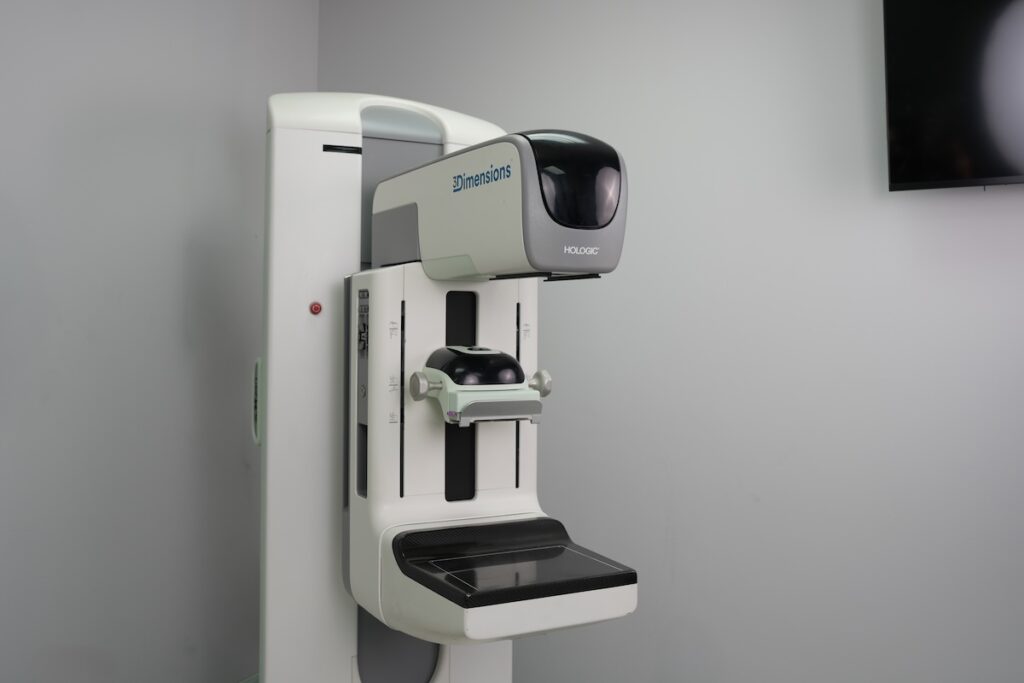
Before price enters the conversation, clinical needs should shape the decision. The right starting point is determining what type of mammography system fits a clinic’s patients, exam volume, and service model – including which refurbished Hologic mammography systems make sense for the practice’s goals.
2D vs 3D Mammography Needs
For some clinics, a 2D system covers the clinical need well – particularly where exam volume is modest and screening goals are straightforward. Other clinics see stronger clinical and competitive value in a 3D system, especially when patient demographics include a higher rate of dense breast tissue, where tomosynthesis can improve detection. The decision often comes down to whether the clinic wants to expand or modernize its breast imaging services, or whether refurbished 2D mammography systems already meet current screening needs.
Screening Volume and Workflow
Different clinics see different patient volumes, and the right system depends on that volume. A busy imaging center needs a system that keeps pace with high patient throughput, efficient technologist workflow, and fast radiologist reading times. A smaller practice may not need that same capacity, and a system built for high volume could be more than it requires.
Add-Ons and Future Service Lines
It’s also worth thinking ahead to what a clinic may need down the line, such as biopsy capability, a Hologic SecurView reading workstation, Hologic CAD systems, or other workflow components. Planning for these possibilities early helps avoid choosing a system that limits room for future growth.
Compare the Real Cost of Ownership
The long-term financial picture matters more than the number on the invoice. New systems typically come with a higher upfront cost, while refurbished mammography systems can give clinics access to proven technology at a lower investment. Comparing the two means looking at everything the purchase touches, not just the equipment itself.
Upfront Equipment Cost
New mammography equipment usually carries a premium price, reflecting the latest platform and manufacturer support. Refurbished equipment can help clinics reduce that upfront cost while still providing a clinically capable, fully functioning system. There are also multiple ways to approach financing refurbished mammography systems, which can make the purchase easier to structure within a clinic’s budget.
Installation, Room Readiness, and Training
The cost of a system extends beyond the machine itself. Delivery, room requirements, electrical needs, installation, calibration, staff training, and integration into the clinic’s existing workflow all factor into the total investment. Planning for system installation, relocation, and removals early helps avoid delays once the equipment arrives.
Warranty, Service, and Preventive Maintenance
Warranty and service terms can shift the real value of a purchase. It’s worth comparing what’s covered, how long coverage lasts, whether parts and labor are included, and whether preventive maintenance is built into the plan. Reviewing a refurbished mammography warranty alongside options like a full parts and labor service contract or preventative maintenance for Hologic equipment gives a clearer picture of what ongoing ownership actually costs.
Compare Refurbishment Quality, Not Just the Word “Refurbished”
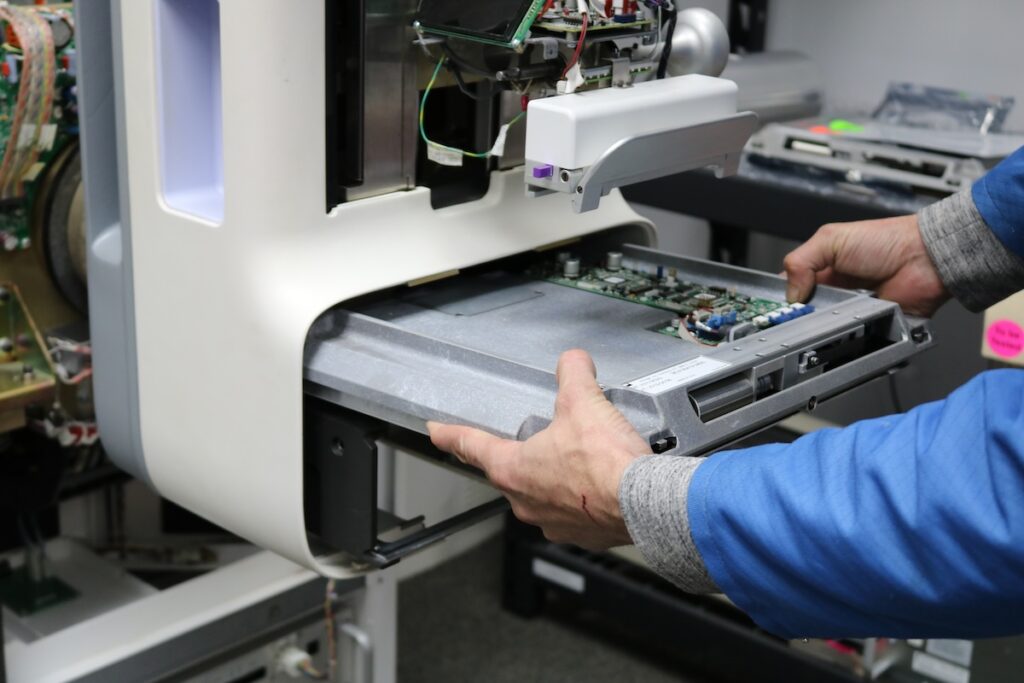
Not all refurbished systems are equal. The label alone doesn’t indicate what process the equipment actually went through before resale. It’s worth understanding what a trustworthy refurbishment process includes before assuming two “refurbished” listings are comparable. The MedSource Imaging refurbishment process is one example of what that standard can look like in practice.
Used vs Refurbished Mammography Equipment
“Used” simply means the equipment has had a prior owner. Properly refurbished equipment goes further: it should be inspected, restored, tested, calibrated, and documented before it’s resold. That distinction often determines how reliable the system will be once it’s back in clinical use.
What Documentation Should Clinics Request?
Before purchasing, it’s worth requesting service history, serial numbers, a record of replaced components, calibration records, testing results, warranty terms, and any available quality-control documentation. This paperwork gives a clearer picture of what’s actually been done to the system, rather than relying on its appearance alone.
High-Value Components to Ask About
Some components carry more weight than others when evaluating a system’s condition. The detector is worth particular attention: it’s the most expensive component in a mammography system, and while it’s built to last up to 10 years, it can accumulate artifacts over time or experience internal electronics failure as it ages. Because replacement costs are high, service contract coverage is worth factoring in to avoid an unbudgeted repair later on.
Beyond the detector, it’s also worth asking about the condition of the X-ray tube, generator, compression system, workstation, monitors, biopsy components, and other major parts. Understanding these components and how easily Hologic mammography parts can be sourced if something needs replacing gives a clearer sense of what to expect down the road.
Compare Compliance and Accreditation Readiness
Mammography equipment isn’t like other imaging purchases. Beyond image quality and price, clinics need to think about quality standards, inspections, documentation, and readiness for accreditation-related processes before a system can go into clinical use.
MQSA and ACR Considerations
Before purchasing, it’s worth confirming that a system can support the quality control, documentation, medical physicist testing, and accreditation expectations required for mammography services under MQSA and ACR standards. A system that can’t clear these requirements adds delays and added cost before it can be used clinically.
Why “Passes Inspection” Matters More Than “Looks New”
Cosmetic condition is the least important factor in evaluating a system. What actually matters is image quality, calibration, dose performance, mechanical reliability, documentation, and overall readiness for clinical use. A system that looks pristine but lacks proper documentation or fails calibration checks is a bigger risk than one with cosmetic wear and a clean inspection history.
Compare Parts Availability and Downtime Risk
One of the most practical factors in any purchase is how quickly a clinic can get support if something fails. A system’s value depends not just on its performance on day one, but on how well it can be kept running over time.
Why Parts Access Can Decide the Better Investment
Downtime affects patient care, revenue, scheduling, staff productivity, and patient trust. A lower-cost system can end up being the more expensive choice if replacement parts are hard to find or slow to arrive. Reviewing the frequently replaced parts in Hologic Dimensions systems ahead of time gives a clearer sense of what ongoing part access actually looks like for a given system.
Service Response and Support Options
Support comes in several forms: OEM service through the manufacturer, third-party service, parts-only coverage, full parts-and-labor contracts, and time-and-material service. Each comes with different response times, costs, and coverage. Comparing a parts-only contract against time and material service helps clarify exactly who will support the system after purchase, and what that support will cost when something needs repair.
When New Mammography Equipment May Make More Sense
New equipment tends to be the better fit for high-volume imaging centers and large health systems, where standardization across sites and manufacturer-backed contracts often matter as much as the equipment itself. It also makes sense for facilities that need the newest platform immediately, or organizations whose budgets and service agreements are already built around OEM contracts and fleet-wide standardization.
How MedSource Imaging Helps Clinics Make a Safer Refurbished Choice
Making a confident refurbished purchase comes down to working with a provider who can stand behind the equipment long after the sale. MedSource Imaging specializes in refurbished Hologic mammography systems, along with Hologic parts, installation, service, preventive maintenance, and ongoing support. That combination means a clinic isn’t just buying a machine, but gaining a partner familiar with the platform’s history, common wear points, and long-term service needs.
For clinics weighing the factors covered above, that kind of specialization can simplify the decision considerably.
Final Checklist: What to Compare Before You Buy
Before making a final decision, it helps to have the full comparison in one place. Here’s what’s worth reviewing:
- Clinical capability: Does the system match the clinic’s patients, exam volume, and service model?
- 2D vs 3D needs: Does the clinic’s patient demographics and screening goals call for 3D, or is 2D sufficient?
- Patient volume: Can the system keep pace with current and expected patient throughput?
- Installation: Are room readiness, electrical needs, and staff training accounted for?
- Warranty and service: What’s covered, for how long, and does it include parts and labor?
- Parts availability: How quickly can replacement parts be sourced if something fails?
- Refurbishment documentation: Is there a full record of testing, calibration, and replaced components?
- Compliance readiness: Can the system support MQSA and ACR requirements out of the gate?
- Total cost of ownership: Does the full picture, not just the purchase price, make sense for the clinic’s budget?
Working through this list before committing to a system helps clinics avoid surprises after the purchase, whether the final decision is a new system or a refurbished one.
Ready to move forward? You can get a quote for refurbished Hologic mammography equipment or submit a service request if you’re evaluating support options for an existing system.
Frequently Asked Questions
Used equipment may be sold as-is, with no guarantee of what condition it’s actually in. Refurbished equipment should go through inspection, testing, repairs, calibration, and documentation before it’s resold, which is what makes it a reliable option for clinical use.
Yes, it can. Clinics should verify documentation, testing records, service support, physicist evaluation, and quality-control readiness before putting the system into clinical use, since compliance depends on these details rather than on the equipment being refurbished or new.
Not necessarily. New equipment may offer the latest features, but refurbished equipment can often provide a better balance of performance, affordability, serviceability, and long-term value for many clinics.

